The Unexpected Truth: Why I Lost My Period and Finally Understood Why I Stopped Using Stevia
For years, stevia was my sweet saviour. Like many seeking healthier alternatives, I embraced this zero-calorie, 'natural' sweetener with open arms, incorporating it into almost every aspect of my daily diet. From my morning tea to elaborate sugar-free desserts, and even the occasional salad dressing, it felt like a guilt-free indulgence. I carried a bottle with me everywhere, a testament to my commitment to a sugar-free lifestyle. But what started as a seemingly innocuous dietary choice eventually led me down a path of baffling symptoms, culminating in a deeply concerning health signal: the loss of my menstrual period. This journey forced me to confront the real impact of my choices and ultimately led to my definitive decision about why I stopped using stevia.
My story isn't just about giving up a sweetener; it's about listening to my body, challenging marketing claims, and rediscovering what true wellness means. If you've been curious about the less-talked-about side effects of stevia, or if you're experiencing unexplained health issues, my personal experience might shed some much-needed light.
The Sweet Deception: My Journey into Stevia's Embrace
My foray into the world of stevia began with a quest for optimal health. Around 2011, I embarked on a rigorous Candida Cleanse, a protocol designed to eliminate yeast overgrowth in the body. The guidelines, heavily influenced by Natalia Rose's work, dictated a strict avoidance of nearly all sugars, even the natural ones found in fruit. Stevia, with its powerful marketing as an "all-natural, zero-calorie sweetener" that wouldn't spike blood sugar or feed yeast, seemed like the perfect solution.
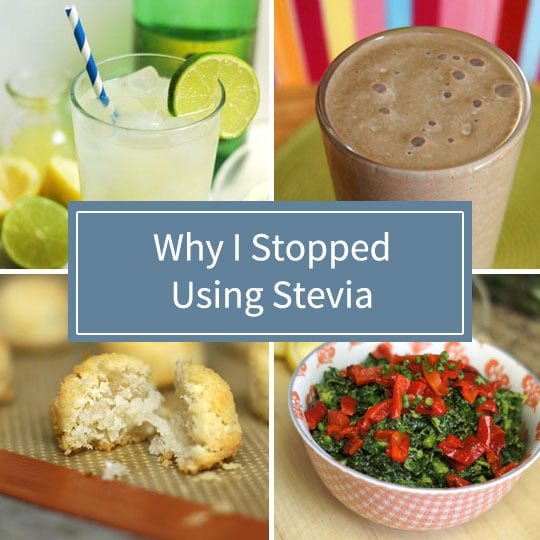
I dove in headfirst, relying on stevia to satisfy my sweet tooth during the cleanse and for many months afterwards. It was everywhere: stirred into my morning chocolate milkshakes, sweetening my daily tea, forming the base of my sugar-free baking experiments. Even as my diet gradually diversified to include more fruits, grains, and proteins, stevia remained a constant. It was just so convenient, so easy, and seemingly so benign. I genuinely believed I was making a smart, health-conscious choice, unaware of the subtle shifts occurring within my body.
Unraveling the Mystery: When Sweetness Turned Sour
After several months of consistent, daily stevia use, some concerning patterns began to emerge. These weren't immediate, dramatic changes, but rather insidious shifts that, in hindsight, were screaming for my attention.
Escalating Sweetness Cravings: The Paradox of a Zero-Calorie Sweetener
One of the first things I noticed was a strange recalibration of my taste buds. Initially, I didn't even like the taste of stevia; it had a distinct aftertaste that took some getting used to. However, over time, my palate adjusted, and then it did something unexpected: it demanded more sweetness. What started as 2-3 drops in my tea soon became significantly more to achieve the same satisfaction. It felt as though the sweetener was actively skewing my perception, making me crave everything to be intensely sweet to enjoy it. My daily craving for desserts became insatiable, and where a small piece of dark chocolate once sufficed, I soon found myself needing an entire bar to feel satisfied. This continuous search for intense sweetness was utterly baffling for someone trying to reduce sugar intake.
This phenomenon left me questioning: if stevia has no calories and no sugar, why was it making me crave sweets more? The answer, I've come to understand, lies in the complex interplay between our taste receptors, brain chemistry, and metabolic responses. When we taste something sweet, our body anticipates an influx of energy (calories). When that energy doesn't arrive, it can create a disconnect, potentially leading to increased cravings as the body continues its search for the expected fuel. To delve deeper into this frustrating cycle, you might find this article insightful: Stevia & Cravings: How It Skewed My Taste Buds.
The Unforeseen Digestive Distress: More Than Just a Sweetener
Concurrent with the escalating cravings, I also started experiencing uncomfortable digestive issues. Daily, often on an empty stomach with my morning tea or other hot drinks throughout the day, I was consuming liquid stevia. Over time, I noticed persistent increased gas and, to put it politely, strong, unpleasant digestive odours. At first, I didn't connect these symptoms to my beloved sweetener. I blamed other foods, stress, anything but the "natural", "clean" product I was so diligently using.
It was only after much contemplation and research that I learned a crucial fact: even calorie-free, sugar-free, seemingly "clean" sweeteners can significantly impact gut health. Stevia, like some other sugar alcohols or artificial sweeteners, can alter the delicate balance of our gut microbiome. This disruption can lead to fermentation, bloating, gas, and a host of other gastrointestinal complaints. For a more comprehensive look at these digestive woes, check out: Digestive Woes & Stevia: My Unforeseen Side Effects.
The Tipping Point: Losing My Period and Regaining My Health
While the cravings and digestive issues were certainly concerning, the true turning point, the undeniable red flag that forced me to re-evaluate everything, was the complete loss of my menstrual period. For nearly six months, my cycle, which had always been regular, simply vanished. For some, a missing period might be dismissed as a sign of "detoxing," but for me, someone actively hoping to get pregnant in the near future, it was a terrifying symptom.
A healthy menstrual cycle is a vital sign of overall hormonal balance and reproductive health. Its absence signaled a deep imbalance within my body that I could no longer ignore. I was willing to try anything to regulate my cycle again, and after connecting the dots between my consistent stevia use and the timeline of my symptoms, I made a radical decision: I would give up stevia completely, cold turkey, to see what would happen.
The results were nothing short of miraculous. Within four short weeks of eliminating stevia from my diet, my period returned. The relief and joy I felt were immense. This swift return, after six months of absence, was the irrefutable evidence I needed. Just to be absolutely sure, and perhaps because a part of me was still addicted to that sweet taste, I tried reintroducing stevia a few months later. Almost immediately, my cycle was affected, confirming the direct link. My body was clearly telling me that stevia, despite its marketing, was not working for me.
This experience highlighted the profound connection between diet, gut health, and hormonal balance. While the exact mechanisms by which stevia might affect individual hormonal regulation are still being researched, my personal story underscored the critical importance of listening to my body's unique responses. If your body is sending you strong signals, whether it's through digestive discomfort, unexplained cravings, or significant hormonal shifts like a missing period, it's crucial to pay attention and investigate potential dietary culprits, even seemingly "healthy" ones.
Beyond Stevia: My Path to Sustainable Sweetness and Wellness
My journey to understand why I stopped using stevia was a powerful lesson in personalized health. It taught me that what works for one person might not work for another, and that even "natural" alternatives can have unforeseen consequences. Here are some of the most valuable lessons I learned and advice I now share:
- Listen to Your Body: Your body is constantly giving you feedback. Pay attention to subtle changes, persistent symptoms, and anything that feels "off." Don't dismiss significant signs like a missing period.
- Question Everything: Don't blindly accept marketing claims. Research, read between the lines, and consider your individual reactions to even popular health foods.
- Embrace Whole Foods: My experience reinforced the power of whole, unprocessed foods. While I still enjoy sweetness, I now turn to natural sources like whole fruits, dates, or small amounts of raw honey or maple syrup when truly desired, focusing on moderation.
- Re-calibrate Your Palate: Taking a break from all intense sweeteners (even natural ones) can help reset your taste buds, allowing you to appreciate the natural sweetness in foods you might have once found bland.
- Prioritize Gut Health: Understanding the impact of sweeteners on my gut microbiome was a game-changer. Focusing on diverse, fiber-rich foods and fermented options supports overall well-being.
- Seek Professional Guidance: If you're experiencing persistent health issues, especially hormonal ones, consult with a qualified healthcare professional. My decision to stop using stevia was a personal experiment, but professional medical advice is invaluable for complex health concerns.
Conclusion
Giving up stevia wasn't just about eliminating an ingredient; it was about reclaiming my health and understanding the intricate workings of my own body. My experience losing and regaining my period was the undeniable proof that this seemingly innocuous sweetener was causing more harm than good in my system. While stevia may work for many, my story highlights the importance of individual biochemical responses and the potential for even "natural" alternatives to disrupt our delicate internal balance. If you've been wondering why I stopped using stevia, or if you're wrestling with similar unexplained symptoms, I hope my journey empowers you to explore your own relationship with sweeteners and prioritize holistic wellness above all else.
