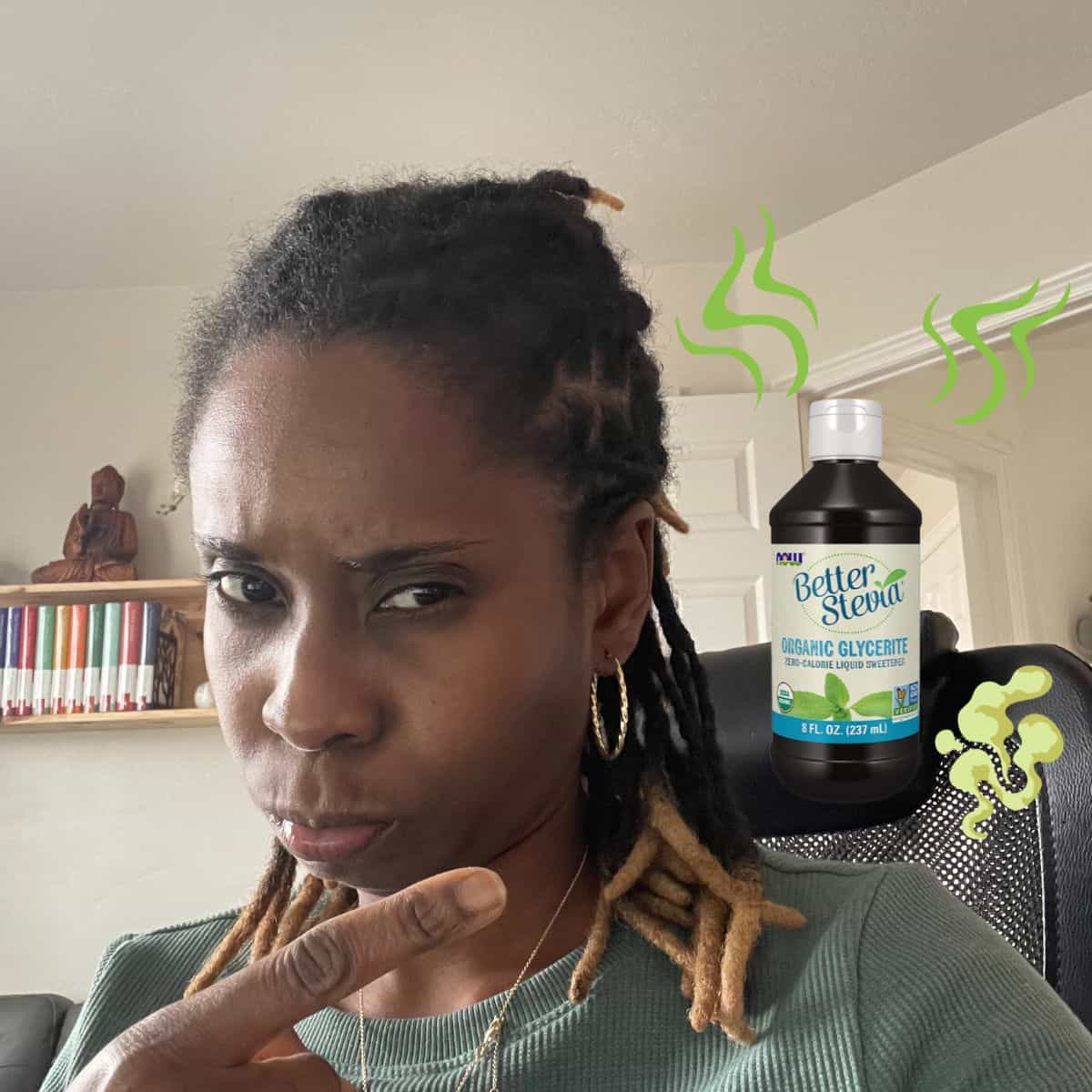
My Journey with Stevia: A Sweet Beginning Turned Sour
For many years, like countless others seeking healthier alternatives, I embraced stevia with open arms. It promised the sweet relief of sugar without the calories or the dreaded blood sugar spikes. Back in 2011, when I embarked on my first Candida Cleanse, following the strict protocols outlined in Natalia Rose’s insightful book, stevia became my daily companion. The goal of the cleanse was to eliminate yeast overgrowth, which meant cutting out virtually all sugar – even the natural sugars found in fruit. Stevia, marketed as an all-natural, zero-calorie sweetener, seemed like the perfect solution; it wouldn't feed the yeast and kept my sweet tooth satisfied.
I adhered to the Candida protocol rigorously for 30 days, then continued with the general guidelines for several months. During this time, stevia was ubiquitous in my diet. It found its way into everything: chocolate milkshakes, my morning tea, various sugar-free desserts, and even my salad dressings. I essentially used it all day, every day. Even after my diet gradually transitioned back to include more fruits, grains, starches, and animal proteins, I continued to rely on stevia. It was just so convenient, an effortless way to sweeten things without guilt. I even carried a bottle in my purse, ready for any sweetening emergency!
On paper, liquid stevia seemed ideal: zero calories, no sugar, often no erythritol listed, and perfectly suitable for weight loss and fasting. For many, it likely works without a hitch. However, after several months of consistent, daily use, I began to notice a series of subtle yet unsettling changes. These weren't immediate, but accumulated over time, prompting me to seriously question the very "healthy" alternative I had so enthusiastically adopted. This personal experience became the foundation for understanding
why I stopped using stevia altogether.
The Unforeseen Shift: How Stevia Skewed My Sweet Tooth
One of the most insidious changes I observed was how stevia seemed to fundamentally alter my perception of sweetness. Initially, I confess, I didn't particularly care for the taste of stevia. It took some time for my taste buds to adjust to its unique profile. But once they did, a peculiar phenomenon began: I couldn't get enough of it.
What started with a few drops to sweeten a mug of tea or a salad dressing quickly escalated. I found myself needing to add significantly more to achieve the same level of satisfaction. It was as if my taste buds were constantly recalibrating, demanding increasingly intense sweetness. Everything started to taste less sweet by comparison, and I found myself craving desserts throughout the day, a habit I hadn't had before my heavy reliance on stevia. A small piece of dark chocolate, which once perfectly satisfied my evening sweet tooth, soon felt insufficient. Before long, I needed to eat an entire bar to feel the same sense of contentment.
This spiraling need for more sweetness felt counterintuitive to my initial goal of reducing sugar dependency. Instead of retraining my palate to appreciate natural, subtler sweetness, stevia seemed to be pushing it in the opposite direction, creating an insatiable desire for hyper-sweet flavors. This experience profoundly illustrated how artificial sweeteners, despite being calorie-free, can still manipulate our brain's reward system and skew our natural taste preferences. To delve deeper into this particular struggle, you might find resonance in my more detailed account:
Stevia & Cravings: How It Skewed My Taste Buds.
Beyond Cravings: Alarming Health Signals
While the escalating cravings were concerning, the real tipping point that led me to understand
why I stopped using stevia came in the form of more serious physiological changes.
**The Loss of My Period (Amenorrhea):** This was a major red flag that I couldn't ignore. After several months of consistent, heavy stevia use, my menstrual cycle completely disappeared. I hadn't had a period for nearly six months. While some might dismiss a missing period as a sign of "detoxing" or a normal response to dietary changes, for me, it was deeply alarming. Especially because I was hoping to get pregnant in the near future, and a missing period signals a significant imbalance in the body's delicate hormonal system. I was desperate to regulate my cycle again and willing to try anything. Eliminating stevia entirely was the first step I took. To my immense relief and joy, my period returned within four weeks of quitting stevia. The connection felt undeniable. I even cautiously tried reintroducing stevia into my diet later, just to test the theory (and because, admittedly, I was quite addicted to it), and sure enough, my cycle became irregular again. This dramatic personal experience convinced me to cut ties with stevia for good. For a more in-depth account of this specific journey, read:
Why I Lost My Period: My Stevia Story.
**Digestive Distress:** Concurrent with the other issues, I also started experiencing significant digestive discomfort. This manifested as increased gas and, notably, strong and unpleasant digestive odors. At first, I didn't connect these symptoms to stevia. I attributed them to other dietary factors or general digestive sensitivities. It was only after a thorough self-assessment, and even a discussion with an AI chat assistant, that I considered the sweetener itself. Even though a product might be calorie-free, sugar-free, and marketed as "clean," certain sweeteners, including stevia, can have a profound impact on gut health. My digestive system was clearly struggling, and the constant input of a highly concentrated, non-caloric sweetener was a likely culprit.
Understanding the "Why": The Science Behind My Stevia Stop
My personal experiences led me to delve deeper into the science behind stevia and similar "natural" zero-calorie sweeteners. This research helped solidify
why I stopped using stevia, moving beyond anecdotal observation to a more informed understanding.
**Beyond "Natural": Processing and Fillers:** While stevia itself is derived from the *Stevia rebaudiana* plant, the products we consume are often highly processed extracts, primarily Rebaudioside A (Reb A). These extracts are significantly sweeter than sugar and are often combined with other ingredients like erythritol, dextrose, or maltodextrin. Even liquid stevia, which seems purer, can contain carriers or other compounds. The sheer concentration and the presence of these additional ingredients can have different effects on the body than simply chewing a stevia leaf. Our bodies aren't designed to process such intense sweetness signals without the accompanying calories, which can confuse metabolic pathways.
**Gut Microbiome Disruption:** A growing body of research suggests that even non-nutritive sweeteners can impact our gut microbiome – the trillions of bacteria living in our digestive tract. While stevia isn't digested or absorbed in the same way as sugar, it can still interact with gut bacteria. These bacteria ferment compounds that humans can't digest, potentially leading to increased gas, bloating, and changes in the bacterial balance. An imbalanced gut microbiome can contribute to a host of issues, from digestive discomfort to immune system dysfunction and even mood changes. My experience with increased gas and unpleasant odors aligns perfectly with these potential effects on gut health.
**Hormonal Influence:** The connection between diet and hormonal balance is complex, but my experience with amenorrhea points to a potential link. While direct evidence linking stevia specifically to menstrual cycle disruption is limited, the body's endocrine system is highly sensitive to stress, nutritional status, and overall physiological balance. Heavy reliance on any artificial sweetener might indirectly contribute to hormonal imbalances by:
* **Perceived Calorie Restriction:** If the brain consistently receives sweetness signals without corresponding caloric intake, it might interpret this as a state of scarcity, potentially impacting reproductive hormones.
* **Gut-Hormone Axis:** An unhealthy gut microbiome, potentially influenced by sweeteners, can affect the production and regulation of hormones throughout the body.
* **Nutrient Deficiencies:** If a diet relies too heavily on "zero-calorie" substitutes instead of nutrient-dense whole foods, it could lead to deficiencies that impact hormonal health.
Practical Takeaways & Moving Forward
My journey with stevia was a powerful lesson in listening to my body and questioning seemingly "healthy" trends. Here are some key takeaways and actionable advice I now live by:
* **Listen to Your Body:** Everyone's physiological response to food and supplements is unique. What works perfectly for one person may cause adverse effects in another. Pay close attention to subtle shifts in energy, mood, digestion, and hormonal patterns.
* **Mindful Consumption:** If you choose to use stevia or other non-nutritive sweeteners, do so sparingly. Avoid daily, heavy use, and always be aware of any changes in your health or cravings.
* **Read Labels Diligently:** Be aware of fillers and other additives in stevia products. Opt for the purest forms available, and understand what else you might be consuming alongside the stevia extract.
* **Prioritize Whole Foods:** The best way to retrain your taste buds is to embrace the natural sweetness of whole fruits, vegetables, and other unprocessed foods. Over time, your palate will adjust, and you'll find true satisfaction in subtler flavors.
* **Seek Professional Advice:** For persistent health issues, especially hormonal or severe digestive problems, consult with a qualified healthcare professional. Self-diagnosis and treatment have their limits.
* **Embrace Natural Sweeteners (in Moderation):** Today, when I need a touch of sweetness, I turn to small amounts of natural options like maple syrup, raw honey, or dates. These provide not just sweetness but also some beneficial nutrients and are recognized by the body in a more holistic way than isolated, highly concentrated extracts.
Conclusion
My experience with stevia was a significant detour on my path to wellness. What began as an enthusiastic embrace of a "healthy" alternative slowly unfolded into a series of unforeseen side effects, from relentless sweet cravings and digestive distress to the alarming loss of my menstrual cycle. This personal revelation led me to deeply understand
why I stopped using stevia, fundamentally shifting my approach to diet and health. It reinforced the crucial lesson that "natural" doesn't always mean benign, and "zero-calorie" doesn't equate to zero impact. Ultimately, true wellness requires a holistic perspective, mindful eating, and a deep connection to how our individual bodies respond to the fuel we provide.