Stevia & Cravings: How It Skewed My Taste Buds
For years, stevia was my go-to for guilt-free sweetness. It promised the best of both worlds: zero calories, natural origins, and a solution for my persistent sweet tooth. Like many, I embraced it wholeheartedly, incorporating it into almost every aspect of my diet. From my morning tea to elaborate "sugar-free" desserts, stevia was a constant companion, a seemingly innocent way to enjoy sweetness without the consequences. But what started as a healthy habit slowly morphed into something unexpected and, ultimately, detrimental. This article delves into my personal journey and answers the crucial question:
why I stopped using stevia, and how it dramatically impacted my taste buds and overall health.
My Journey with Stevia: The Initial Appeal
My introduction to stevia wasn't a casual dalliance; it was a deliberate choice, driven by a quest for better health. Back in 2011, I embarked on a Candida Cleanse, a protocol designed to starve yeast overgrowth by eliminating nearly all forms of sugar, including natural sugars found in fruit. Stevia, marketed as a non-caloric, all-natural sweetener that wouldn't feed yeast or spike blood sugar, seemed like the perfect solution. It allowed me to satisfy my innate desire for sweetness without derailing my cleanse goals.
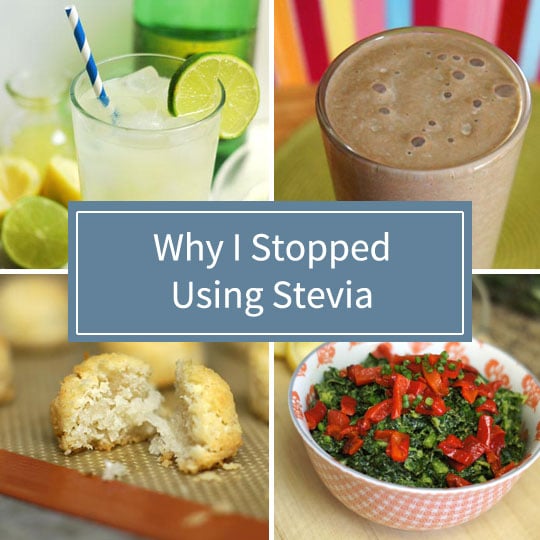
I became incredibly reliant on it. Daily chocolate milkshakes, countless mugs of tea, elaborate sugar-free baked goods, and even unexpected uses like salad dressings – stevia was literally everywhere in my diet, all day, every day. It was so integral to my routine that I carried a bottle in my purse, ready to sweeten anything, anytime. Initially, it felt like a triumph, a sustainable way to enjoy sweetness without the metabolic burden of sugar. I was convinced I had found the holy grail of sweeteners.
The Unforeseen Sweet Trap: Stevia & Skewed Taste Buds
What I didn't realize then was the insidious way stevia was quietly reprogramming my palate. At first, its unique flavor took some getting used to; I didn't love it immediately. But over several months of consistent, heavy use, something shifted. My taste buds didn't just adjust; they seemingly *recalibrated*. I began to notice a growing demand for sweetness.
Initially, a mere 2-3 drops of liquid stevia would suffice for my tea or to liven up a plain yogurt. But as time wore on, that satisfaction diminished, requiring progressively larger quantities to achieve the same perceived sweetness. It felt like my taste buds were constantly chasing a higher "sweetness ceiling." Everything started tasting bland without an extra dose of stevia, leading me to believe I needed more and more just to enjoy my food. This constant quest for intense sweetness wasn't just limited to stevia-sweetened items. I found myself perpetually craving desserts, and where a small piece of dark chocolate once satisfied my evening sweet tooth, I soon needed to devour an entire bar to feel the same sense of contentment.
This phenomenon, often linked to the use of artificial and high-intensity sweeteners, suggests that by constantly bombarding our taste receptors with hyper-sweet signals, we desensitize them. Our bodies, expecting calories from the intense sweetness, don't receive them, potentially leading to a disconnect between taste and satiety. This can leave us feeling less satisfied and ironically drive us to seek out even more sweet foods, creating a vicious cycle of cravings and overconsumption.
Beyond Cravings: Other Alarming Signs
While the escalating cravings and skewed taste buds were a significant concern, they weren't the only reasons
why I stopped using stevia. My body began sending other unmistakable signals that something was amiss.
The most alarming symptom was the loss of my menstrual period. After months of heavy stevia use, my cycle simply vanished for nearly half a year. While some might dismiss this as a "detox" symptom, for me, it was a glaring red flag, especially as I hoped to start a family in the near future. The body's reproductive system is incredibly sensitive to overall health and nutritional balance, and a missing period indicated a profound disruption. Desperate to regulate my cycle, I decided to eliminate stevia completely as a critical experiment. To my immense relief and surprise, my period returned within four weeks. This was a profound realization that a seemingly innocuous sweetener could have such a significant physiological impact. For a deeper dive into this specific experience, you can read more here:
Why I Lost My Period: My Stevia Story.
Concurrently, I began experiencing persistent and unpleasant digestive issues. Increased gas and strong, offensive digestive odors became a daily occurrence. Initially, I struggled to connect these symptoms to stevia, as it's marketed as a "clean," "natural," and "calorie-free" alternative. It's easy to overlook something so seemingly benign. However, after some research and self-reflection, I realized that even zero-calorie sweeteners, particularly those not fully absorbed in the small intestine, can reach the colon and be fermented by gut bacteria. This fermentation process can lead to gas, bloating, and discomfort in sensitive individuals, disrupting the delicate balance of the gut microbiome. My personal experience strongly suggested a link. Discover more about my struggles with digestive issues and stevia here:
Digestive Woes & Stevia: My Unforeseen Side Effects.
The Turning Point: Why I Stopped Using Stevia For Good
The combination of escalating sweetness cravings, a missing menstrual cycle, and persistent digestive distress became undeniable. I realized that despite its "natural" and "zero-calorie" appeal, stevia was not a benign addition to my diet. It was actively contributing to a cascade of negative health effects. My initial experiment with eliminating stevia to regain my period proved to be the ultimate turning point. The swift return of my cycle was a powerful, undeniable testament to the sweetener's impact.
While the idea of giving up an easy source of sweetness was daunting – after all, I was addicted – the improvement in my well-being was too significant to ignore. I made the conscious decision to completely remove stevia from my diet. The process wasn't instantaneous; there was an initial adjustment period as my taste buds began to recalibrate back to appreciating natural, subtle sweetness. But over time, the shift was profound. My cravings for intensely sweet foods diminished, and I started finding joy in the natural flavors of whole foods again.
Reclaiming My Taste Buds and Health: Lessons Learned
My experience with stevia was a powerful lesson in listening to my body, even when marketing claims suggest otherwise. It taught me that "natural" and "zero-calorie" don't automatically equate to "harmless" or "healthy" for everyone. Reclaiming my palate and resolving my health issues required a conscious effort to move away from artificial sweeteners and embrace a more intuitive approach to eating.
Here are some practical tips and insights I gained on this journey:
- Gradually Reduce Sweetness: Instead of going cold turkey, slowly reduce the amount of sweetener you use. Over time, your taste buds will adapt, and you'll begin to appreciate less intense sweetness.
- Embrace Natural Sweetness in Moderation: Focus on whole fruits, dates, or a tiny bit of pure maple syrup or raw honey for sweetness. These come with fiber, vitamins, and minerals, and their natural intensity is often more satisfying in smaller quantities.
- Rediscover Natural Flavors: Spices like cinnamon, nutmeg, and vanilla extract can add warmth and perceived sweetness to foods without any actual sugar or sweetener. Herbal teas can also offer pleasant flavors without needing extra sweetening.
- Stay Hydrated: Sometimes, what we perceive as a craving for sweetness is actually mild dehydration. Drinking plenty of water can help.
- Listen to Your Body: Pay attention to how different foods and ingredients make you feel. Bloating, gas, cravings, changes in energy levels, or other symptoms are your body's way of communicating. Don't dismiss them.
In the end, my decision to stop using stevia was about more than just avoiding a sweetener; it was about resetting my relationship with food and reclaiming my body's natural balance.
In conclusion, while stevia is often touted as a healthy, natural alternative to sugar, my personal experience highlights the potential for unexpected downsides, particularly concerning altered taste perception, increased cravings, and physiological disruptions. It served as a potent reminder that what works for one person may not work for another, and that truly understanding how an ingredient affects your body requires careful observation and an open mind. If you find yourself constantly craving sweets or experiencing unexplained symptoms, it might be worth investigating your relationship with zero-calorie sweeteners. Our bodies are complex, and sometimes, the best path to wellness involves simplifying our diet and trusting our innate signals.